Figures on a Pier looking out at Sea | Frank Runacres
Born on this day June 2, 1904, Frank Runacres emerged as a prominent figure in the British art scene, leaving behind a legacy that continues to inspire. His journey began in the vibrant landscapes of Kent and Somerset, where he cultivated a deep appreciation for nature’s beauty. Runacres studied at esteemed institutions, including Saint Martin’s School of Art, the Slade School of Fine Arts, and the Royal College of Art under the watchful eye of Sir William Rothenstein from 1930 to 1933.
Sunbathers | Frank Runacres
Frank’s artistic style is often categorized within the realms of Modern British and 20th Century Art, characterized by his masterful use of both watercolors and oils. His paintings resonate with the rolling rural landscapes of his youth, capturing the essence of serene countryside and the rugged beauty of Plymouth’s seascapes. Each brushstroke tells a story, whether it’s the tranquil scenes of Richmond Bridge or the dynamic interplay of light on water.
Throughout his career, Runacres exhibited his work at prestigious venues, including the Royal Academy, where he showcased 18 paintings between 1937 and 1965. His art found homes in the Manchester City Art Gallery and Leicester Galleries, among others, reflecting his commitment to sharing his vision with the world. His works are not just paintings; they are windows into his soul, revealing a profound connection with nature and a unique perspective on life.
Beyond his artistic contributions, Frank Runacres was known for his generous spirit. He often gifted his paintings to family members as wedding presents, creating lasting memories during tea gatherings at his home by the Thames in Richmond. These personal touches highlight his warmth and the importance he placed on family connections, making his legacy not just about art, but about love and relationships.
On the Wharf |Frank Runacres
Frank Runacres passed away in 1974, but his impact on the art world endures. His works are part of notable collections, inviting new generations to explore the beauty he captured. Whether you’re an art enthusiast or someone simply curious about the stories behind the canvas, Frank’s legacy offers a glimpse into the heart of a dedicated artist who painted not just landscapes, but emotions.
For those wishing to explore his work further, consider visiting ArtNet to view his paintings and exhibitions. Dive into the world of Frank Runacres, where every piece is a celebration of life, nature, and the enduring power of art.
Nelson Riddle was an iconic American arranger, composer, bandleader, and orchestrator whose illustrious career spanned over four decades. Born on June 1, 1921 in Oradell, New Jersey, Riddle discovered his passion for music at a young age. He played the piano and trombone and studied both classical and jazz music. His keen understanding of musical structure and harmony made him one of the most sought-after talents in the music industry.
Riddle’s career took off in the 1950s when he started working with some of the biggest names in the music industry such as Frank Sinatra, Dean Martin, and Ella Fitzgerald. His unique and innovative arrangements brought a fresh perspective to popular music and set him apart from his contemporaries. Riddle’s work was characterized by his clever use of the orchestra to create rich, layered sounds that added depth and emotion to each song.
Nelson Riddle was also a successful composer, creating memorable themes for television shows and movies. Perhaps one of his most recognizable works is the theme song for the popular television show ‘Route 66’. The song, with its catchy melody and sophisticated orchestration, perfectly encapsulated the spirit of the iconic cross-country highway.
As a bandleader, Riddle led several ensembles throughout his career. His leadership style was defined by his meticulous attention to detail and his unwavering commitment to musical excellence. He demanded nothing less than perfection from his musicians, pushing them to deliver their best performances every time they took the stage.
“Spectrum Colors Arranged by Chance II” by Ellsworth Kelly | Ellsworth Kelly | MoMA
The art world has seen many great talents over the years, but few have captured the essence of color and form quite like Ellsworth Kelly. A renowned painter, sculptor, and printmaker, Kelly’s work has had a significant effect on the world of contemporary art. His unique approach to color field abstract and minimalist styles has made his creations a visual feast for art lovers worldwide.
Austin (2015) | Ellsworth Kelly | Blanton Museum of Art | NYT
Born on this day May 31, 1923 in Newburgh, New York, Ellsworth Kelly’s artistic journey began as a child, when he developed a fascination with ornithology and the vibrant colors of birds. This early interest in nature would later influence his artistic career, as he went on to study painting at the School of the Museum of Fine Arts in Boston and later at the École nationale supérieure des Beaux-Arts in Paris. Throughout his career, Kelly explored various media, including painting, sculpture, and printmaking, creating a diverse body of work that consistently pushed the boundaries of art.
One of Kelly’s most distinctive features is his use of color. His bright and bold palette is often comprised of primary colors and simple geometric shapes that captivate viewers with their visual impact. By focusing on these core elements, Kelly was able to reduce his works to their most basic essence, creating a sense of purity and clarity that is rarely found in modern art.
Kelly’s sculptures are similarly striking; his minimalist approach to form and shape allows for a powerful exploration of space and light. These works often consist of large, monochromatic panels or curved shapes that seem to defy gravity, inviting viewers to reconsider their perceptions of space and balance.
Throughout his illustrious career, Ellsworth Kelly continued to innovate and inspire, contributing significantly to the development of abstract art in the 20th century. His passing in 2015 left behind a legacy that will continue to captivate art lovers for generations to come. In fact, his latest release, the “Austin” temple of light, was unveiled after his passing and received a warm welcome from audiences. The colorful world of Ellsworth Kelly serves as a testament to the power of simplicity and the limitless potential of the artist’s imagination.
The Marvelettes: (left to right) Gladys Horton, Wanda Rogers, Georgeanna Tilman and Katherine Anderson | Gilles Petard/Getty Images
Gladys Catherine Horton, born on May 30, 1945, in Gainesville, Florida, was a dynamic force in the music world as the founder and lead singer of The Marvelettes, the first successful all-female group at Motown. Raised in the bustling suburb of Inkster, Michigan, Horton faced early challenges, growing up in foster care after being put up for adoption at just nine months old. Despite these hardships, her passion for music flourished, leading her to form The Marvelettes with high school friends in 1960.
A Star is Born
Initially named The Casinyets, the group caught the attention of Motown after a successful audition. With the help of their original member Georgia Dobbins, they crafted the iconic song “Please Mr. Postman,” which became Motown’s first No. 1 hit on the Billboard Hot 100 in 1961. This catchy tune, with its infectious melody and heartfelt lyrics, not only showcased Horton’s powerful vocals but also marked a significant milestone in music history.
Throughout the 1960s, Horton led the group to numerous hits, including “Playboy,” “Beechwood 4-5789,” and “Too Many Fish in the Sea.” Their music resonated with audiences, earning them a place in the hearts of fans and securing chart positions that are still celebrated today. The Marvelettes’ success was recognized with various awards, solidifying their status as pioneers of the Motown sound.
A Journey Beyond the Spotlight
In 1965, Horton stepped back as the lead vocalist, allowing Wanda Young to take over. By 1967, she left the group to focus on her personal life, marrying trumpeter Sammie Coleman and welcoming three children. Despite stepping away from the limelight, her love for music never waned. In the 1990s, she reunited with Young for a Marvelettes album, proving that the bond forged through music could withstand the test of time.
Horton’s journey was not without its struggles. After years of declining health, she passed away on January 26, 2011, leaving behind a rich legacy. Her contributions to music continue to inspire generations, reminding us of the power of female voices in an industry that often sought to silence them.
On this day, May 29, 1961, Ricky Nelson began a remarkable two-week reign at No.1 on the US singles chart with his hit song ‘Travellin’ Man’. This catchy tune not only captivated audiences but also marked a significant moment in the rock and roll era. Interestingly, the song was originally offered to Sam Cooke, a legendary figure whose soulful voice could have brought a different flavor to the track. However, Cooke turned it down, paving the way for Nelson to make it his own.
The B-side of ‘Travellin’ Man’ was the enchanting ‘Hello Mary Lou’, penned by Gene Pitney. This track became a double A-side in the UK, reaching No.1 and showcasing the immense talent of both Nelson and Pitney. The fusion of these songs exemplifies the creativity and collaboration that defined the music scene of the early 1960s.
Ricky Nelson, born Eric Hilliard Nelson, was not just a teen idol; he was a trailblazer whose smooth vocals and charming persona captured the hearts of many. His career highlights include hits like ‘Poor Little Fool’ and ‘Garden Party’, which reflect his evolution as an artist. Nelson’s ability to blend rock and roll with pop sensibilities made him a household name.
In contrast, Sam Cooke’s decision not to record ‘Travellin’ Man’ did not hinder his illustrious career. Cooke’s own hits, such as ‘A Change Is Gonna Come’ and ‘You Send Me’, solidified his status as one of the greatest vocalists in music history. His unique style and profound lyrics continue to resonate with audiences today.
Gene Pitney, known for his distinctive voice and songwriting skills, also made significant contributions to the music industry. Songs like ‘Town Without Pity’ and ‘It Hurts to Be in Love’ showcase his talent and creativity, further enriching the tapestry of 1960s music.
The Billboard Hot 100 during this era was a dynamic landscape, reflecting the cultural shifts and musical innovations of the time. The rock and roll genre was not merely a trend; it was a movement that defined a generation. The success of ‘Travellin’ Man’ represents not just a personal victory for Nelson but a pivotal moment in the history of popular music.
Explore more about these iconic artists and their contributions to music history. Dive into their stories, listen to their hits, and celebrate the legacy they left behind.
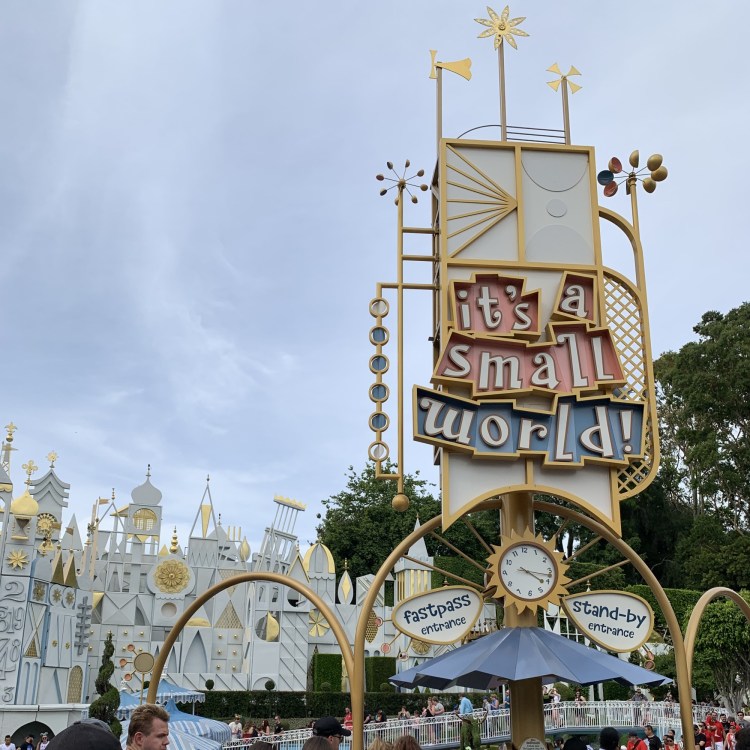
It’s a Small World ride at Disneyland 2018 | Jennifer Hall
For over five decades, the enchanting “It’s a Small World” ride at Disneyland has captured the hearts and imagination of millions of visitors, both young and old alike. The captivating attraction, which first opened its doors in Disneyland on May 28, 1966, is a true testament to Disney’s magical and timeless storytelling. As the ride celebrates its 59th anniversary, it is the perfect time to take a retrospective journey through its history, iconic scenes, and the enduring legacy it has created.
From its humble beginnings as a World’s Fair exhibit to its transformation into a cherished Disney attraction, “It’s a Small World” has evolved over the years while staying true to its original intent – to promote peace, unity, and understanding among cultures.
The History of ‘It’s a Small World’
The origins of “It’s a Small World” date back to the 1964 New York World’s Fair. Walt Disney was approached by Pepsi-Cola and the United Nations Children’s Fund (UNICEF) to create an attraction for the fair that would showcase the world’s children and promote global peace and unity. Disney, along with his talented team of Imagineers, including Mary Blair, Rolly Crump, and Marc Davis, conceived the idea of a whimsical boat ride that would take guests on a journey through various countries represented by singing, dancing, and interacting animatronic dolls.
The attraction was an instant hit at the World’s Fair, captivating millions of visitors with its charming scenes, vibrant colors, and catchy soundtrack. After the fair concluded, Walt Disney decided to bring the ride to Disneyland, where it officially opened on May 28, 1966. Located in the newly created Fantasyland area, “It’s a Small World” quickly became one of the park’s most beloved attractions, enchanting guests from all walks of life with its message of peace and harmony.
Today, the ride continues to be a fan favorite at Disneyland and has been replicated in various forms at other Disney parks worldwide, spreading its message of unity and hope to millions of guests each year.
A Look Inside the Ride: Iconic Scenes and Characters
It’s a Small World ride at Disneyland 2018 | Jennifer Hall
Upon boarding the ride’s iconic boats, guests are transported into a vivid and colorful world populated by over 300 animatronic dolls dressed in traditional attire from countries across the globe. The journey begins with a grand, white and gold façade, adorned with familiar landmarks such as the Eiffel Tower, the Leaning Tower of Pisa, and the Taj Mahal.
As the boat glides gently through the water, visitors are taken on a magical journey through various regions of the world, including Europe, Asia, Africa, and the Americas. Each scene is meticulously crafted with intricate details, showcasing the unique architecture, landscapes, and cultural traditions of each country. The dolls, which are designed by legendary Disney artist Mary Blair, are brought to life through the magic of Disney’s Audio-Animatronics technology, dancing and singing in perfect harmony to the iconic “It’s a Small World (After All)” tune.
Throughout the ride, several well-known Disney characters make cameo appearances in their respective countries, further enhancing the sense of wonder and delight that has come to be associated with this timeless attraction. From Peter Pan and Alice in Wonderland in England to Aladdin and Jasmine in the Middle East, these beloved characters add a familiar touch to the fantastical world of “It’s a Small World.”
The Cultural Impact of ‘It’s a Small World’
Since its debut, “It’s a Small World” has made a significant cultural impact, not only within the realm of Disney but also on a broader scale. The ride’s message of unity, love, and understanding has resonated with countless individuals across generations and has served as a reminder of the importance of embracing diversity and celebrating our shared humanity.
In a world that is often plagued by conflict and division, “It’s a Small World” serves as a beacon of hope, reminding us that it is indeed possible to come together as one global family. This powerful message has been recognized and celebrated in various forms over the years, from educational programs to charity initiatives, further solidifying the ride’s status as a cultural icon.
Moreover, the attraction has inspired numerous spin-offs and adaptations, including a popular television series and a line of merchandise featuring the ride’s signature designs and characters. These various iterations of “It’s a Small World” have helped to further spread its message of unity and compassion, ensuring that its legacy will continue to endure for years to come.
The Memorable Music: “It’s a Small World (After All)”
One of the most defining aspects of “It’s a Small World” is its unforgettable theme song, “It’s a Small World (After All).” Composed by the legendary Sherman Brothers, Richard M. Sherman and Robert B. Sherman, the song was originally written as a simple ballad meant to serve as a unifying anthem for the children of the world. However, at Walt Disney’s suggestion, the song was sped up and given a cheerful, upbeat tempo, transforming it into the catchy and infectious tune that we know today.
The song’s lyrics, which emphasize the interconnectedness of all people and the importance of love and understanding, have become synonymous with the ride itself and have made a lasting impression on countless Disney fans. Sung in various languages throughout the ride, the song serves as a constant reminder of the attraction’s message of unity and peace.
Over the years, “It’s a Small World (After All)” has become a cultural phenomenon in its own right, being covered by various artists, featured in films and television shows, and even used as the basis for a popular line of Disney merchandise. The song’s enduring appeal is a testament to the power of music to transcend barriers and bring people together, much like the ride itself.
Refurbishments and Changes Over the Years
Since its opening, “It’s a Small World” has undergone several refurbishments and updates to maintain its timeless charm and appeal. These changes have typically involved the addition of new characters, scenes, or technological enhancements, while still preserving the ride’s overall theme and message.
One notable change occurred in 2008 when several Disney characters were added to the ride, each dressed in attire representative of their respective countries. This update was met with mixed reactions from fans, with some appreciating the addition of familiar faces, while others felt that it detracted from the ride’s original focus on the world’s children.
Another significant refurbishment took place in 2014, which saw the installation of an updated boat system, improved lighting and audio, and the addition of new scenes and characters from countries such as Australia, New Zealand, and the Middle East.
Despite these changes, “It’s a Small World” has managed to retain its essence and continues to enchant guests with its delightful scenes and uplifting message.
It’s a Small World ride at Disneyland 2018 | Jennifer Hall
‘It’s a Small World’ in Other Disney Parks
Following the success of “It’s a Small World” at Disneyland, the attraction has been replicated in various forms at other Disney parks around the world. Each version of the ride features unique elements that cater to the local culture and audience, while still staying true to the original concept and message.
Some of these adaptations include “It’s a Small World” at Walt Disney World’s Magic Kingdom, which opened in 1971, and “Le Pays des Contes de Fées” at Disneyland Paris, which debuted in 1992. Other iterations can be found at Tokyo Disneyland and Hong Kong Disneyland, further showcasing the global appeal of this beloved attraction.
Through these various incarnations, “It’s a Small World” continues to spread its message of love, unity, and understanding to millions of guests each year, solidifying its status as a true Disney classic.
Fun Facts and Trivia About the Ride
As one of Disney’s most iconic attractions, “It’s a Small World” is filled with fascinating facts and trivia that add to its rich history and allure. Here are just a few of the many interesting tidbits surrounding this beloved ride:
The original façade of “It’s a Small World” at the 1964 New York World’s Fair was designed by artist Rolly Crump, who later went on to design the famous façade for the Disneyland version of the ride.
The ride’s famous clock tower,which features a parade of dolls, was added to the Disneyland version of the ride but was not part of the original World’s Fair exhibit.
Each doll on the ride is designed to be within 1% of the same height, to maintain a sense of continuity and harmony throughout the attraction.
The ride’s boats were originally designed to be propelled by water jets, but this was later changed to a more traditional boat ride system for safety reasons.
In 2009, a man named Kent Twitchell painted a mural of the “It’s a Small World” façade on a building in Los Angeles as part of a public art project. The mural was later removed, but it serves as a testament to the ride’s enduring legacy and cultural impact.
The Enduring Legacy of ‘It’s a Small World’
As we come to the end of our retrospective journey through “It’s a Small World,” it’s clear that this beloved attraction has left a mark on Disney and the world at large. With its timeless message of unity, love, and understanding, the ride has captured the hearts and imaginations of countless individuals across generations, inspiring us to be better, kinder, and more compassionate.
As we look to the future, it’s certain that “It’s a Small World” will continue to serve as a beacon of hope, reminding us that no matter where we come from, we are all part of the same global family. So the next time you find yourself in Disneyland, take a moment to step aboard this enchanting ride and experience the magic of “It’s a Small World” for yourself.
On May 27, 1957, a song was released that would forever change the landscape of rock music: “That’ll Be The Day” by Buddy Holly and the Crickets. This catchy tune not only climbed to No. 1 in the UK and No. 3 in the US charts but also influenced the music scene. It’s a classic that still resonates today!
The genesis of this iconic track can be traced back to a memorable trip to the movies in June 1956. Buddy Holly, along with bandmates Jerry Allison and Sonny Curtis, found themselves captivated by John Wayne’s film, The Searchers. It was during this cinematic experience that Wayne’s world-weary catchphrase, “that’ll be the day,” sparked a creative flame in Holly, leading to the birth of a timeless rock anthem.
Rock ‘n’ Roll: A Cultural Shift in 1957
The emergence of rock ‘n’ roll in the late 1950s was a cultural phenomenon. The music scene was buzzing with energy, and “That’ll Be The Day” was right at the forefront. This era saw a shift in musical tastes, as young audiences began to embrace the rebellious spirit of rock. With its infectious rhythm and catchy lyrics, Holly’s song became an anthem for a generation, capturing the essence of youthful exuberance and the longing for freedom.
A Lasting Legacy
The legacy of “That’ll Be The Day” extends far beyond its initial success. It was the first song recorded by The Quarrymen, the skiffle group that would later evolve into The Beatles. This connection alone speaks volumes about the song’s impact on the future of rock music. Over the years, it has been covered by numerous artists, each bringing their unique flair to this classic. Notable covers include renditions by The Crickets themselves and Linda Ronstadt, showcasing its timeless appeal.
Explore the Sound
As we reflect on the cultural impact of this song, it’s clear that Buddy Holly and the Crickets not only created a hit but also contributed to the evolution of rock music. Their innovation and creativity continue to inspire artists and fans alike.
So, the next time you hear that catchy refrain, remember the legacy behind it and the unforgettable journey it has taken through music history. That’ll be the day when we all embrace the joy of rock ‘n’ roll!
Peggy Lee, an American singer and songwriter, was born on this day May 26, 1920, in Jamestown, North Dakota. This iconic figure in the world of jazz and popular music is renowned for her sultry voice, which captivated audiences worldwide. As a singer, she developed a unique vocal style that enabled her to transcend the boundaries of genre and era. As a songwriter, Peggy Lee contributed to the creation of an impressive body of work that continues to inspire musicians today.
Throughout her career, Peggy Lee released over 50 albums and collaborated with some of the greatest musicians and composers of her time, such as Benny Goodman, Duke Ellington, and Quincy Jones. She was a versatile performer, demonstrating her talents not only as a singer and songwriter but also as an actress in various films and television shows. Her most famous acting role was in the 1955 Disney film Lady and the Tramp, where she provided the voices for four characters and co-wrote six songs for the film’s soundtrack.
Beyond her work as a singer and songwriter, Peggy Lee was an influential figure in the music industry. She was one of the first artists to demand creative control over her recordings, pushing for the rights of musicians to have a say in how their music was produced and marketed. This pioneering stance paved the way for future generations of artists to assert their rights within the industry.
Peggy Lee’s impact on music is still felt today, thanks to her timeless recordings and enduring influence on contemporary artists. Her songs have been covered by numerous musicians across various genres, from jazz to pop to rock. In 1999, she was inducted into the Songwriters Hall of Fame as a testament to her significant contribution to the world of music.
Peggy Lee’s legacy as a singer and songwriter is one that cannot be overstated. Her unique voice, innovative songwriting, and pioneering spirit have made a lasting impression on the music industry and continue to inspire musicians around the world.
The Tokens circa early 1960s | Warner Bros. Records/Photofest
Mitchell Stuart Margo, born on this day May 25, 1947, in Brooklyn, New York, was not just a name in the music industry; he was a vibrant force that shaped the sound of an era. Best known as a member of the renowned vocal group The Tokens, Margo’s journey began at the tender age of 14, when he embarked on a professional career that would change the face of American music.
The Tokens skyrocketed to fame with their iconic hit “The Lion Sleeps Tonight,” which captivated audiences and topped the Billboard Hot 100 for three consecutive weeks in 1961. This song, a timeless classic, showcased Margo’s exceptional vocal talent and marked the beginning of a series of memorable tracks. Alongside his brother Phil Margo, he co-wrote and contributed to other hits like “Tonight I Fell In Love,” “I Hear Trumpets Blow,” and “He’s In Town.” Each song reflected not only the musical abilities of The Tokens but also Margo’s deep passion for songwriting.
Beyond his musical achievements, Margo was a multifaceted artist. His talents extended into the realms of visual art and animation, where he created artwork that was displayed in galleries and featured on album covers. He illustrated children’s books, including the award-winning “The Very First Adventure of Fulton T. Firefly” and “Sara Smiled,” demonstrating his ability to connect with audiences of all ages.
In a bid to foster literacy, Margo, with the assistance of his son Damien, developed the Margo Reader, a free online reading tool designed to engage users with a blend of art, animation, and music. This innovative project aimed to provide a resource for those eager to learn how to read, showcasing Margo’s commitment to education and creativity.
Margo’s journey came to a close on November 24, 2017, when he passed away from natural causes at his home in Studio City, California, at the age of 70. His legacy, however, lives on through his music, art, and the countless lives he touched. Mitch Margo was more than just a singer and songwriter; he was a creative pioneer whose contributions continue to resonate with audiences around the world.
Explore his music and art—Listen to The Tokens and discover the joy of his storytelling through his children’s books. Mitch Margo’s life is a testament to the power of creativity and the enduring impact of music.
George Nakashima: Photo from Nakashima Archives at nakashimawoodworker.com
May 24, 1905 – June 15, 1990
Born in Spokane, Washington, George Nakashima’s journey into the world of design began with a passion for architecture. Graduating from the University of Washington in 1929, he later earned his master’s degree from MIT in 1931. Fueled by an adventurous spirit, Nakashima sold his car for a round-the-world steamship ticket, embarking on a year-long journey that would profoundly influence his artistic vision.
In Paris, he encountered the renowned architect Le Corbusier, whose ideas on the moral obligation of architects resonated deeply with him. This experience laid the groundwork for Nakashima’s belief that architecture and design must serve a greater purpose. His travels took him to Japan, where he worked with Antonin Raymond, an architect known for his collaboration with Frank Lloyd Wright. It was during this time that Nakashima immersed himself in Japanese aesthetics, which would later shape his unique style.
George Nakashima Exceptional “Minguren I” Coffee Table, New Hope, Pennsylvania, 1982 | invaluable.com
The onset of World War II marked a tumultuous chapter in Nakashima’s life. Like many Japanese Americans, he was interned at Camp Minidoka in Idaho. It was here that he met Gentaro Hikogawa, a master carpenter who taught him traditional Japanese woodworking techniques. Under Hikogawa’s guidance, Nakashima honed his craft, developing a deep respect for the materials he worked with and the artistry of woodworking.
After the war, Nakashima relocated to New Hope, Pennsylvania, where he established his studio. It was here that he truly began to flourish as a furniture designer. His signature style emerged, characterized by large-scale tables crafted from natural wood slabs, showcasing the beauty of the wood’s natural edges. The Conoid Chair, with its innovative design, and the Peace Altar, a symbol of his commitment to harmony and tranquility, are just a few of his iconic pieces that reflect his philosophy of merging functionality with beauty.
George Nakashima Wordwork | The Hudson Company
Nakashima’s work transcended mere furniture design; it was an expression of his spiritual beliefs and a reflection of his cultural heritage. He drew inspiration from the Japanese tea ceremony, Shaker furniture, and Zen Buddhist principles, creating pieces that resonated with the ideals of simplicity and natural beauty. His collaborations with Knoll and Widdicomb-Mueller further solidified his place in modern design history.
As a testament to his legacy, Nakashima’s home and studio were designated as a National Historic Landmark, ensuring that his contributions to art and design will be preserved for future generations. His daughter, Mira Nakashima, continues to honor his legacy, producing both his iconic designs and her own creations.
George Nakashima & Mira Chair | Photo from Nakashima Archives at nakashimawoodworker.com
George Nakashima’s life was a beautiful tapestry woven from experiences, philosophies, and an unwavering dedication to his craft. Today, his influence can be felt in the world of contemporary woodworking, where his “free-edge” aesthetic continues to inspire artisans and designers alike.
“The woodworker has a special intensity, a striving for perfection, a conviction that any task must be executed with all his skill…to create the best object he is capable of creating.”